 News
NewsThe $15 billion World Cup: FIFA's record haul, and who really pays for it
FIFA has banked a record 15 billion dollars from the 2026 World Cup, the expanded 48-team tournament and the vast American market driving unprecedented broadcast, sponsorship and ticketing revenue, roughly double the last cycle. It has reopened the oldest question in the game: where does all that money go, and who foots the bill? KFF on the business of the beautiful game, from a Kenyan point of view.
The football is over, the confetti has been swept up, and now come the receipts. FIFA has revealed that the 2026 World Cup generated a record fifteen billion dollars, comfortably the most lucrative tournament in the sport's history. It is a number that tells you as much about where football is heading as anything that happened on the pitch.
The blueprint was built for exactly this. The first 48-team, 104-match World Cup, staged across the United States, Canada and Mexico, meant more games, more broadcast inventory, more sponsorship and more tickets than ever before, and the vast American market and its corporate appetite did the rest. Broadcast and commercial deals hit new highs, and hospitality and ticketing, some of it eye-wateringly priced, poured in on top.
The scale is hard to hold in the head. Fifteen billion dollars is roughly double what the previous four-year cycle delivered. FIFA, under Gianni Infantino, has never been richer, and it insists the windfall flows straight back into the game: into development funds for its two hundred and eleven member associations, into prize money, into growing football in every corner of the planet.
Not everyone is applauding. Critics point to dynamic ticket pricing that pushed ordinary supporters into the nosebleeds or out of the stadium altogether, to a relentless commercial expansion, and to a governing body whose annual revenues now dwarf the entire economies of some of its own member nations. The money is real. So is the unease about what the game is quietly becoming.
From where we sit in Nairobi, the figures border on the surreal. While FIFA counted its fifteen billion, the Kenyan fan was buying a data bundle to watch the drama on a cracked phone screen, and African federations run on budgets that would not cover a single World Cup hospitality suite. Some of that development money does reach associations like ours, and it genuinely matters. But the gap between the game's wealth and the fan who actually loves it has rarely looked wider. Soka ni pesa nyingi mno siku hizi, lakini shabiki wa kawaida bado analipa data kuangalia: football is enormous money these days, yet the ordinary fan still pays for data just to watch.
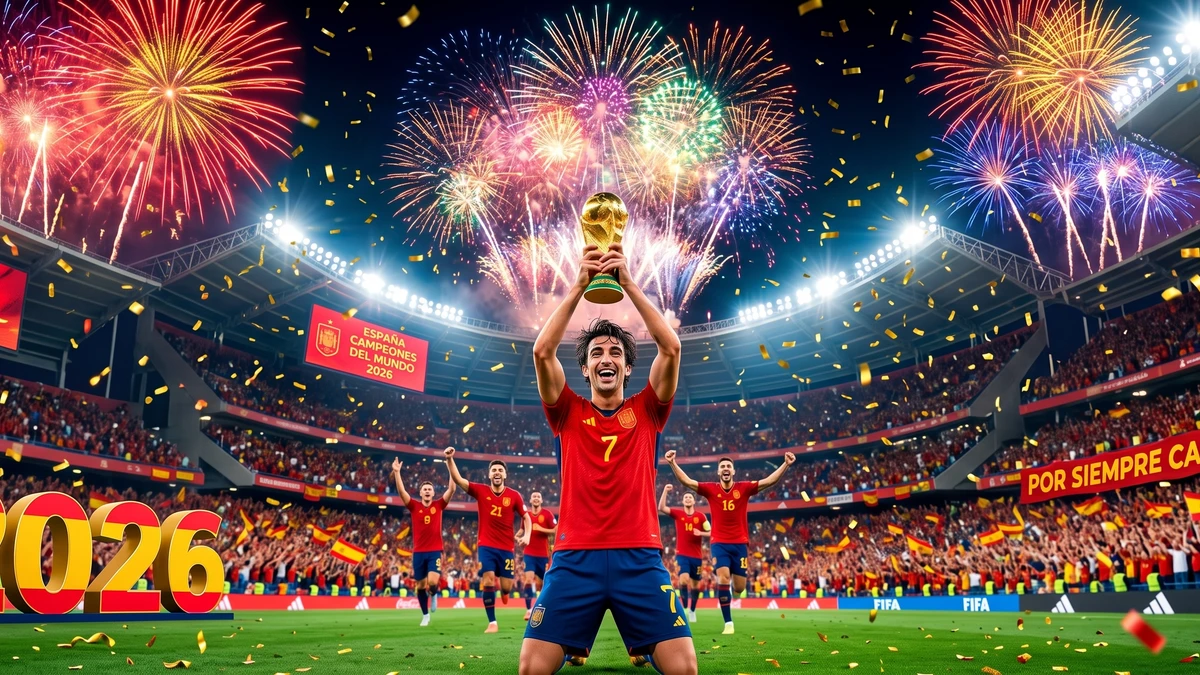
None of it dims what we saw. Spain's coronation, Messi's farewell, the shocks and the storms and the genius: the football was magnificent, and no invoice can take that away. But the 2026 World Cup will also be remembered as the moment the sport's commercial machine reached a new peak, and the questions that peak raises are not going anywhere. The beautiful game has never been bigger. It has never been more expensive, either. Relive the tournament on our bracket.
Your team needs you. Have your say.
Vote for your team